Solving Physics with Python: A Look at a Computational Toolkit
Physics is no longer just about chalkboards and expensive lab equipment. A “third pillar” of modern science has emerged: computational physics. This is the art of using code and numerical methods to simulate and solve problems that are too complex for pen and paper.
A fantastic example of this in practice is the Computational_physics repository by Chris Sunny. This project, structured as a series of assignments, serves as a practical, hands-on journey through the core techniques of the field.
A Code-Based Physics Course
The repository is neatly organized into five assignments (assignment1 through assignment5) plus an examples folder. This structure strongly suggests it’s the coursework from a university-level class, which is great for learners as it provides a logical progression of topics, from basic numerical methods to more complex simulations.
The entire repository is 100% Python. This is a smart choice, as Python—powered by its “scientific stack” of libraries like NumPy, SciPy, and Matplotlib—has become the language of choice for scientific computing. It’s readable, powerful, and has a vast ecosystem of tools for everything from matrix math to plotting.
Examples & Visualizations
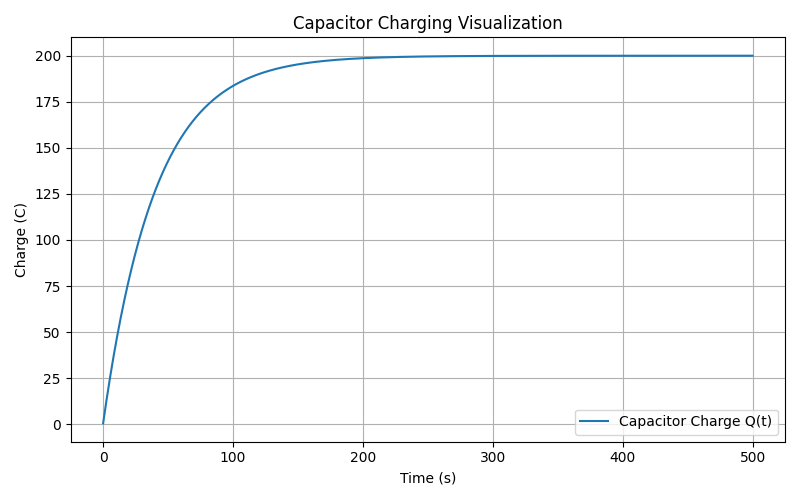
The examples folder contains a collection of reference Python programs demonstrating classical computational physics models. Here is a look at the actual visual outputs generated by the code:
-
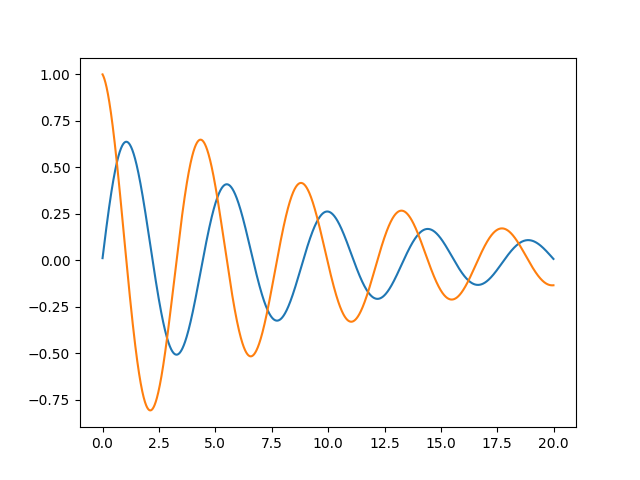
Damped Oscillations Simulating the energy loss in oscillatory systems.
-
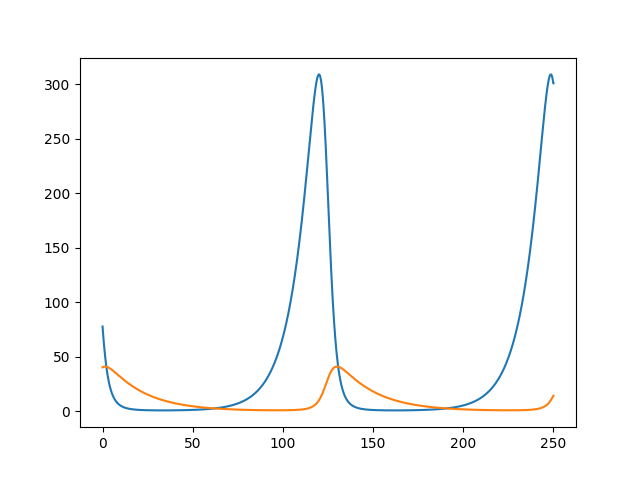
Lotka–Volterra Predator–Prey Systems Modeling the dynamic population changes between biological species.
-
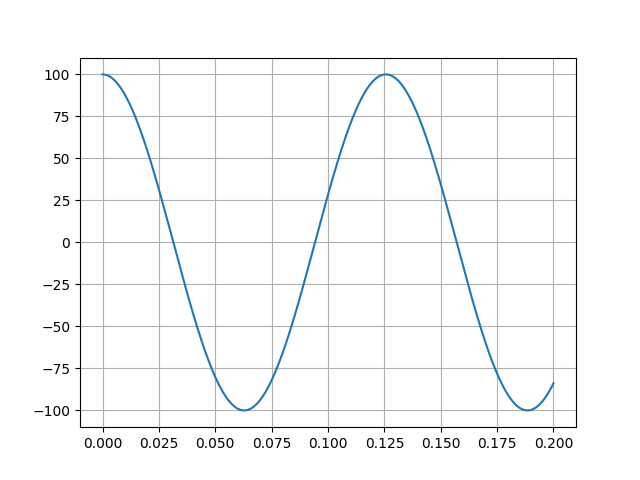
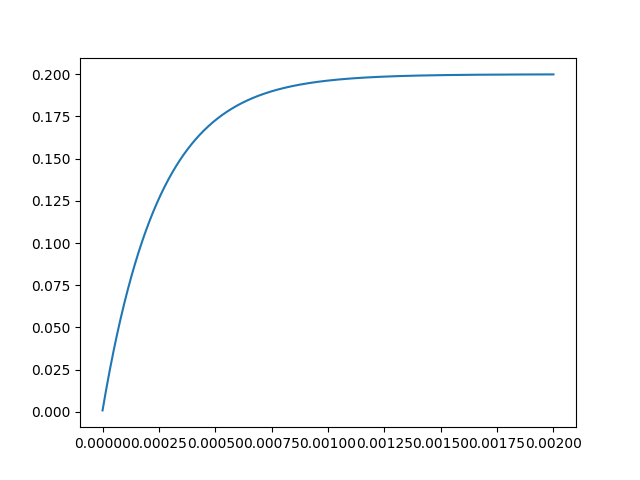
Circuits: RLC Oscillators & Self-Induction Visualizing current and voltage in complex circuit arrangements.
-
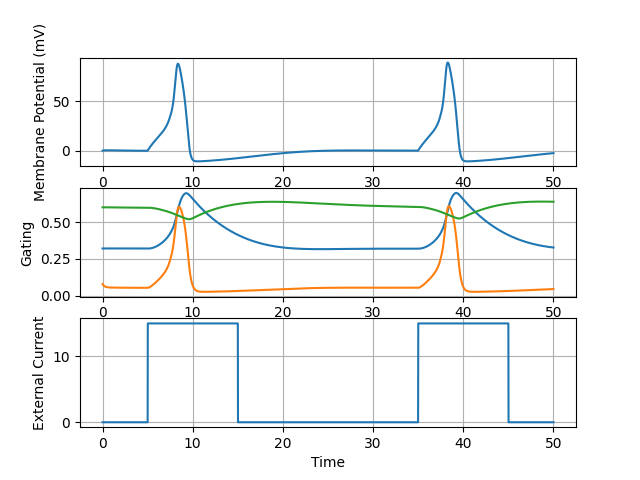
Hodgkin–Huxley Neuronal Model A mathematical model that describes how action potentials in neurons are initiated and propagated.
-
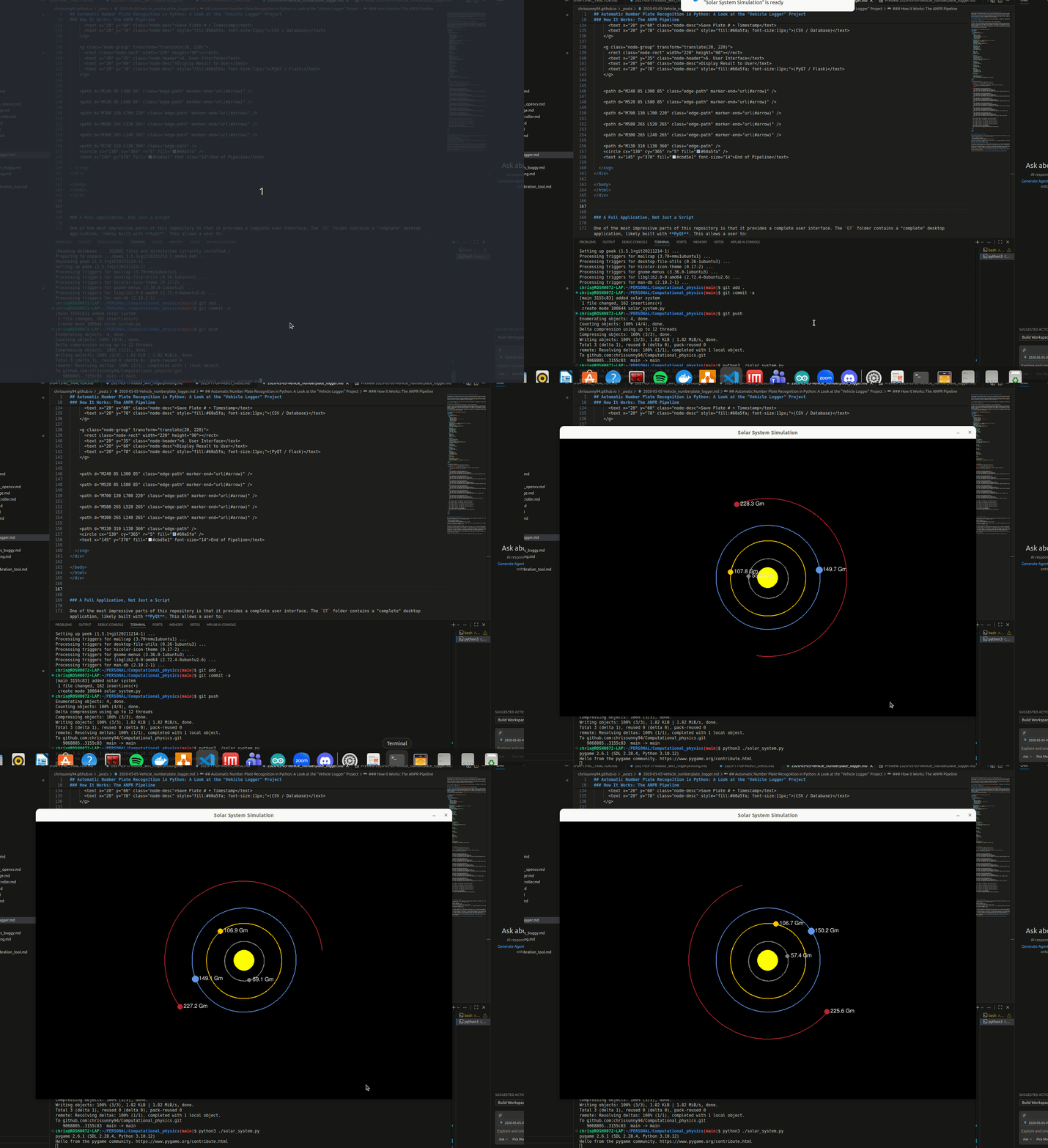
Solar System Simulation (
solar_system.py) A Python-Pygame simulation that visualizes the motion of planets around the Sun (seen in the header GIF). The program uses basic Newtonian gravitational physics and numerical integration to animate planetary orbits in real-time.
What’s Inside?
While we can’t see the exact problem descriptions, a computational physics curriculum typically involves a standard set of powerful techniques. Looking at the structure, this repository is likely a practical playbook for solving problems like:
- Solving Differential Equations: Simulating planetary orbits using methods like Runge-Kutta, or modeling a pendulum’s swing.
- Partial Differential Equations: Modeling the flow of heat through a metal plate (the Heat Equation) or the vibration of a string (the Wave Equation) using techniques like the finite-difference method.
- Stochastic Methods: Using randomness to find solutions, such as with Monte Carlo methods to model a magnetic system (the Ising model) or simulate radioactive decay.
- Matrix & Linear Algebra: Solving problems in quantum mechanics where the properties of a system are represented by large matrices.
Why You Should Check It Out
This repository is an excellent resource for a few key audiences:
- Physics Students: If you’re currently taking (or about to take) a computational physics course, this is a fantastic reference. You can see how problems are broken down and implemented in clean, modern Python.
- Programmers: If you’re a developer curious about scientific applications, this is a perfect window into the field. You can see how core programming concepts are applied to solve complex, real-world physics problems.
- Self-Learners: It serves as a ready-made curriculum. You can challenge yourself to solve the same (inferred) problems and compare your solutions.
This repository is a perfect example of learning by doing. It bridges the gap between abstract physical theory and practical, runnable code.
Check out the Computational_physics repository on GitHub here!